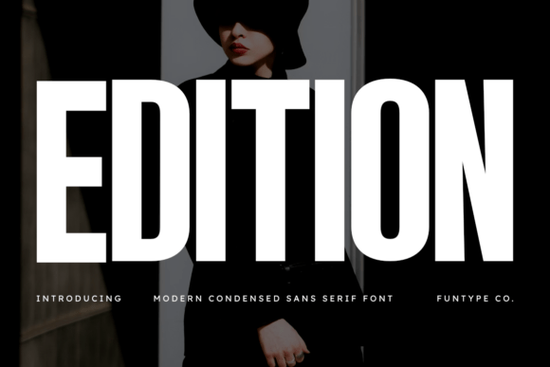
If you need a typeface that commands attention without spreading across the entire width of your canvas, understanding how to balance weight and width is essential. Edition Font falls into this specific niche by offering high density and vertical presence. Whether you are designing merchandise for a boutique brand or creating digital assets for social media, having access to versatile condensed types saves valuable layout space while maintaining readability.
Why Choose Condensed Typography?
Sans serif fonts vary greatly in their proportions, and choosing the right aspect ratio changes how a viewer perceives information. Tall structures allow designers to keep lines shorter, which works exceptionally well for mobile screens or narrow packaging labels. This approach prevents eye strain by reducing the distance a reader has to travel horizontally. When paired with the right kerning settings, the text feels stable rather than cramped.
In commercial applications, this trait is often required because it allows larger sizes within restricted areas. A logo might look unbalanced if the letters stretch too wide, so a condensed version maintains the original personality of the design while fitting the constraints. It keeps the visual weight heavy enough to stand out against busy backgrounds, ensuring the message remains clear even at smaller scales.
Ideal Applications for Strong Headlines
Creators often struggle to find fonts that bridge the gap between editorial layouts and modern graphic design. There are specific contexts where this style shines brighter than wider alternatives:
- Album Covers: Music art requires quick recognition, and tall letterforms catch the eye instantly in thumbnails.
- Sports Graphics: Scores and player names need to be legible from a distance, where width is limited.
- Print-on-Demand Tees: Custom shirts often benefit from centered compositions that utilize vertical stacking effectively.
- Event Posters: Information-heavy flyers require efficient space usage to display dates and venues clearly.
This approach creates a confident tone that feels professional and established. For businesses looking to convey strength, the compact structure supports a sense of reliability. However, finding the right companion pieces for body text is equally important to maintain hierarchy.
Exploring Complementary Styles
While this specific collection offers significant impact, it is worth comparing it to other market options to see what suits your project best. Sometimes, you might want a softer touch that retains the same clean aesthetic but varies in weight distribution. If you prefer a more relaxed atmosphere, browsing through collections like Salty Beach Fonts provides a great contrast with a weathered feel.
For those working on corporate identities, strict adherence to minimalism is crucial. Exploring Minimalist Fonts can reveal simpler geometric forms that pair well with this bolder selection. Alternatively, some designers seek unique character shapes that still remain functional. Checking out Brisca Fonts introduces distinct quirks that add flavor without sacrificing professionalism.
It helps to understand the ecosystem of related styles to build cohesive libraries. Sticking to one consistent voice ensures your visuals feel branded rather than pieced together. Returning to the primary set, exploring more Edition-style resources ensures you have backups for different variations within the same family.
Preparation and Setup Tips
Before implementing any new typeface, verifying compatibility with your software is a necessary step. Most modern design tools support OpenType features, but licensing agreements determine how many users can access the files. Always check the specific terms for your intended platform, especially if distributing the final work publicly.
Once installed, pay close attention to spacing. Condensed letters sit closer together, so increasing the letter-spacing slightly can prevent characters from merging visually. Testing the kerning in various combinations avoids awkward gaps that draw negative attention to the design process. Adjusting line height is also critical; since the font is tall, adding extra vertical space prevents overcrowding.
Exporting final graphics requires setting the appropriate resolution for the output medium. For screen displays, ensuring the colors are in RGB mode prevents shifting hues, while print jobs demand CMYK profiles. Saving vector copies whenever possible allows for future resizing without losing quality.
Quick Project Checklist
- Open your design file and create a sample headline using Edition.
- Test readability by resizing the text to 75% of its original size.
- Check contrast against background elements to ensure visibility.
- Verify that the file license permits commercial use for your specific project type.
- Export a PDF proof before sending to the printer or publishing online.
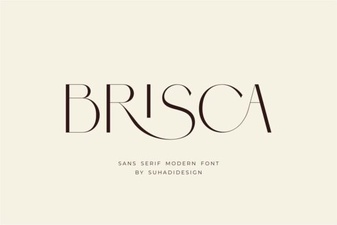 Brisca Font: Free Retro Script for Creative Projects
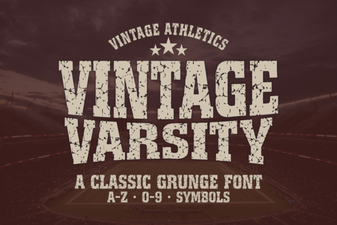 Vintage Varsity Font Design Ideas & Downloads
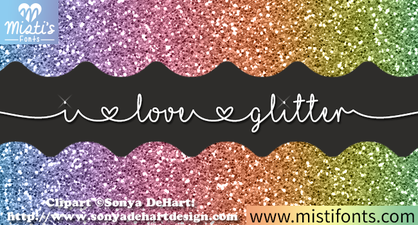 Sparkling Fonts for Creative Design Projects